


Physical Therapy for Hip Pain in Everett, WA: Causes, Symptoms, and Treatment Options
You may first notice hip discomfort when getting out of your car, turning over in bed, or taking your first few steps after sitting for a while. Over time, the pain might become more frequent, making it harder to keep up with your usual activities.
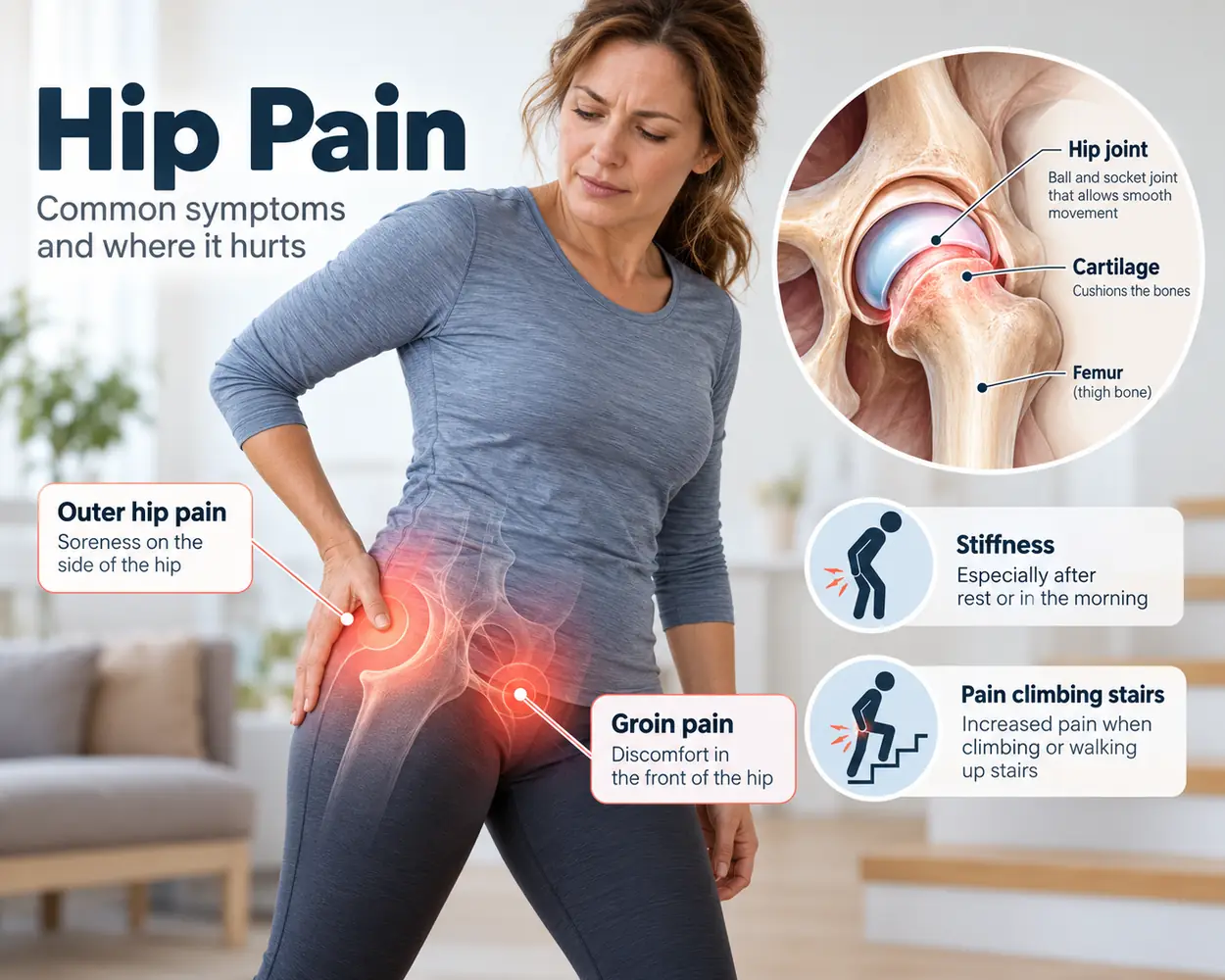
Hip pain can develop for several reasons, including joint conditions, muscle strains, tendon irritation, and problems involving the lower back. Where you feel the pain can also vary. Some people experience tenderness along the outside of the hip, while others notice a deep ache in the groin, stiffness after resting, or discomfort that travels into the thigh.
Because these symptoms can have different underlying causes, treatment begins with understanding how your hip moves, which activities aggravate the discomfort, and whether surrounding muscles or joints may be contributing.
At Everett Spine & Rehab, physical therapy focuses on helping patients address movement limitations, improve strength and mobility, and return to daily activities with greater comfort. An individualized rehabilitation plan can help patients work toward their goals while accounting for their specific symptoms and physical needs.
What Are Common Causes of Hip Pain?
Hip pain can develop gradually or follow an injury. The location of the discomfort and activities that aggravate it may provide clues about the underlying condition.
Hip Osteoarthritis
Osteoarthritis develops when changes within a joint affect cartilage and surrounding tissues.
People with hip osteoarthritis often experience stiffness, reduced mobility, and pain that becomes more noticeable when walking or performing weight-bearing activities.
Discomfort may be felt in the groin, thigh, or buttock. Some people also notice stiffness after periods of inactivity.
Tendon Irritation and Muscle Strains
The hip relies on several muscle groups to support movement and stability.
Overuse, sudden increases in physical activity, or an injury can irritate muscles and tendons around the hip.
Symptoms may include localized tenderness, discomfort during specific movements, or pain after activity.
Greater Trochanteric Pain Syndrome
Pain along the outside of the hip can occur when tissues surrounding the greater trochanter, the bony prominence on the upper thighbone, become irritated.
This condition is often associated with discomfort when lying on the affected side, climbing stairs, or walking.
Referred Pain From the Lower Back
Sometimes discomfort felt near the hip originates from structures in the lower back.
Certain spinal conditions can produce pain that travels into the buttock, hip, or leg.
This is one reason a thorough evaluation should consider the surrounding joints, muscles, and spine rather than examining hip movement alone.
Does Age or Gender Affect Your Risk of Hip Pain?
Hip pain can affect people of all ages, although certain conditions become more common as we get older. Age-related changes in joint cartilage, reduced muscle strength, and decreased flexibility can contribute to hip discomfort, particularly in adults over 50. Gender can also influence the types of hip problems people experience. For example, women are more likely than men to develop greater trochanteric pain syndrome, a condition that causes tenderness and pain along the outside of the hip, particularly during middle age and later life. Hormonal changes, differences in hip anatomy, and tendon health may contribute to this increased risk. However, younger adults and men can also experience hip pain from sports injuries, repetitive movements, muscle strains, and other conditions. Regardless of age or gender, persistent hip pain that interferes with walking, sleeping, or everyday activities deserves a professional evaluation.
Hip Pain Symptoms You Should Pay Attention To
Hip discomfort can present in several ways.
Common complaints include:
- Groin pain when walking or bending the hip
- Tenderness along the outside of the hip
- Stiffness after getting out of bed
- Pain when climbing stairs or walking uphill
- Discomfort when standing up from a chair
- Difficulty getting in or out of a car
- Pain when lying on the affected side
- Reduced flexibility or difficulty putting on shoes
- Aching that spreads toward the thigh or buttock
The NHS guidance on hip pain explains that symptoms may be associated with arthritis, tendon irritation, strains, and several other conditions.
If hip pain is worsening, repeatedly returning, disrupting sleep, or interfering with daily activities, a professional evaluation is recommended.
Seek urgent medical attention for severe pain after an injury, inability to bear weight, or a hot, swollen hip accompanied by fever.
Why Does My Hip Hurt When I Walk or Climb Stairs?
Walking and climbing stairs require coordinated movement of the hip joint and surrounding muscles.
During these activities, the hip must support body weight while the muscles around the pelvis help maintain stability.
If the hip joint is irritated, mobility is restricted, or certain muscles are weak or painful, these movements may become uncomfortable.
Stair climbing can be particularly challenging because it requires greater hip and leg muscle effort than walking on level ground.
The location of your symptoms can help guide an examination, but imaging or additional medical testing may sometimes be necessary to identify the underlying cause.
How Can Physical Therapy Help With Hip Pain?
Physical therapy may help address certain causes of hip pain by improving strength, flexibility, movement control, and the ability to perform everyday activities.
At Everett Spine & Rehab, a rehabilitation evaluation may include assessing walking patterns, joint mobility, muscle strength, balance, and activities that reproduce symptoms.
Depending on the findings and your individual needs, treatment may incorporate several approaches.
Strengthening Exercises
Strengthening the muscles surrounding the hip can help improve joint support and movement control.
Exercises may focus on the gluteal muscles, hip abductors, hip flexors, and other supporting muscle groups.
The American Academy of Orthopaedic Surgeons explains that strengthening the muscles supporting the hip helps promote joint stability and can be useful in rehabilitation.
Mobility and Flexibility Exercises
Restricted hip movement can make activities such as sitting, walking, or bending more difficult.
Appropriate mobility exercises may help improve flexibility and make certain daily movements more comfortable.
Balance and Movement Training
Some patients benefit from exercises designed to improve balance, walking mechanics, and coordination.
For example, a person struggling with stairs may work on controlled step movements and strengthening activities that reflect their functional goals.
Activity Modifications
Your rehabilitation provider may also recommend temporary adjustments to certain activities while symptoms improve.
These changes may include modifying exercise intensity, limiting movements that aggravate pain, or incorporating appropriate rest and recovery periods.
Exercise selection and progression should reflect the underlying condition and the patient’s response to treatment.
What Can You Do at Home for Mild Hip Pain?
If your symptoms are mild and you have no warning signs, several general strategies may help you remain comfortable while arranging an evaluation if needed.
Try changing positions regularly rather than sitting for extended periods. Gentle walking or other tolerable movement may help reduce stiffness, but avoid repeatedly pushing through painful activities.
If lying on one side increases discomfort, adjusting your sleeping position or placing a pillow between your knees may help.
Choose activities that feel manageable and avoid starting aggressive stretches or strengthening routines before understanding the cause of your symptoms.
Frequently Asked Questions
Can physical therapy help hip pain when walking?
Physical therapy may help when hip pain is associated with conditions that respond to strengthening, mobility exercises, and movement retraining. The appropriate approach depends on the diagnosis and severity of symptoms.
Why does my hip hurt when I stand up after sitting?
Hip stiffness, joint irritation, and certain tendon or muscle conditions can make the transition from sitting to standing uncomfortable. Persistent pain should be evaluated to determine the cause.
Can hip pain actually come from my back?
Yes. Some conditions affecting the lower spine can produce discomfort felt in the buttock, hip, or leg. A clinician can assess whether symptoms appear to originate from the hip joint, surrounding tissues, or another area.
How long does physical therapy take for hip pain?
The length of treatment varies depending on the condition, symptom severity, functional limitations, and individual progress. Some patients improve within several weeks, while others require a longer rehabilitation program.
Should I keep walking if my hip hurts?
Gentle walking may be appropriate for some conditions, but significant or worsening pain should not be ignored. If walking causes limping, increasing discomfort, or difficulty bearing weight, seek professional guidance. Sudden inability to bear weight requires urgent medical care.
Physical Therapy and Hip Rehabilitation in Everett, WA
Hip pain can affect your ability to exercise, work, and enjoy everyday activities, particularly when walking and climbing stairs become uncomfortable.
Everett Spine & Rehab offers physical therapy and rehabilitation services for patients experiencing appropriate musculoskeletal conditions, including certain causes of hip pain.
We serve patients throughout Everett, Mukilteo, Mill Creek, Marysville, Lynnwood, and nearby Snohomish County communities.
If persistent hip pain is interfering with your daily routine, contact Everett Spine & Rehab to schedule an evaluation and learn about available rehabilitation options.