

Headaches, Neck Tension, or Jaw Pain: Could TMJ Be Part of the Problem?
Many people think of TMJ issues as jaw pain alone, but that is only part of the picture. Problems involving the jaw joint and the muscles around it can also show up as headaches, facial soreness, ear-area discomfort, clicking or popping, limited jaw motion, and tension that spreads into the neck and upper shoulders.
The National Institute of Dental and Craniofacial Research explains that temporomandibular disorders, or TMDs, are a group of more than 30 conditions that cause pain and dysfunction in the jaw joint and the muscles that control jaw movement. That distinction matters because many patients use the term TMJ when what they are really describing is a broader jaw-related problem pattern.
Why these symptoms get overlooked
TMJ-related problems do not always start with obvious jaw pain. Some people notice recurring headaches first. Others feel tightness through the temples, soreness near the ears, or neck tension that builds by the end of the day. Because those symptoms can seem unrelated, people often assume they are dealing only with stress, posture strain, or tension headaches.
The overlap is one reason TMJ-related issues can be missed for so long. When clenching, muscle guarding, joint irritation, and neck tension start feeding into each other, symptoms can keep returning even if someone tries to manage each one separately.
What can contribute to TMJ-related symptoms
Jaw-related symptoms do not always come from one cause. Clenching, grinding, stress-related muscle tension, jaw overuse, injury, and irritation within the joint itself can all play a role. NIDCR notes that TMDs generally fall into different categories involving the joints, the muscles, or headaches associated with the disorder, which helps explain why symptoms vary so much from one person to another.
That broader view is useful because it reminds patients that recurring headaches, jaw soreness, and neck tightness may be connected even when one area feels worse than the others. When the pattern is recurring, painful, or disruptive, it makes sense to look beyond a single symptom.
When it makes sense to get checked
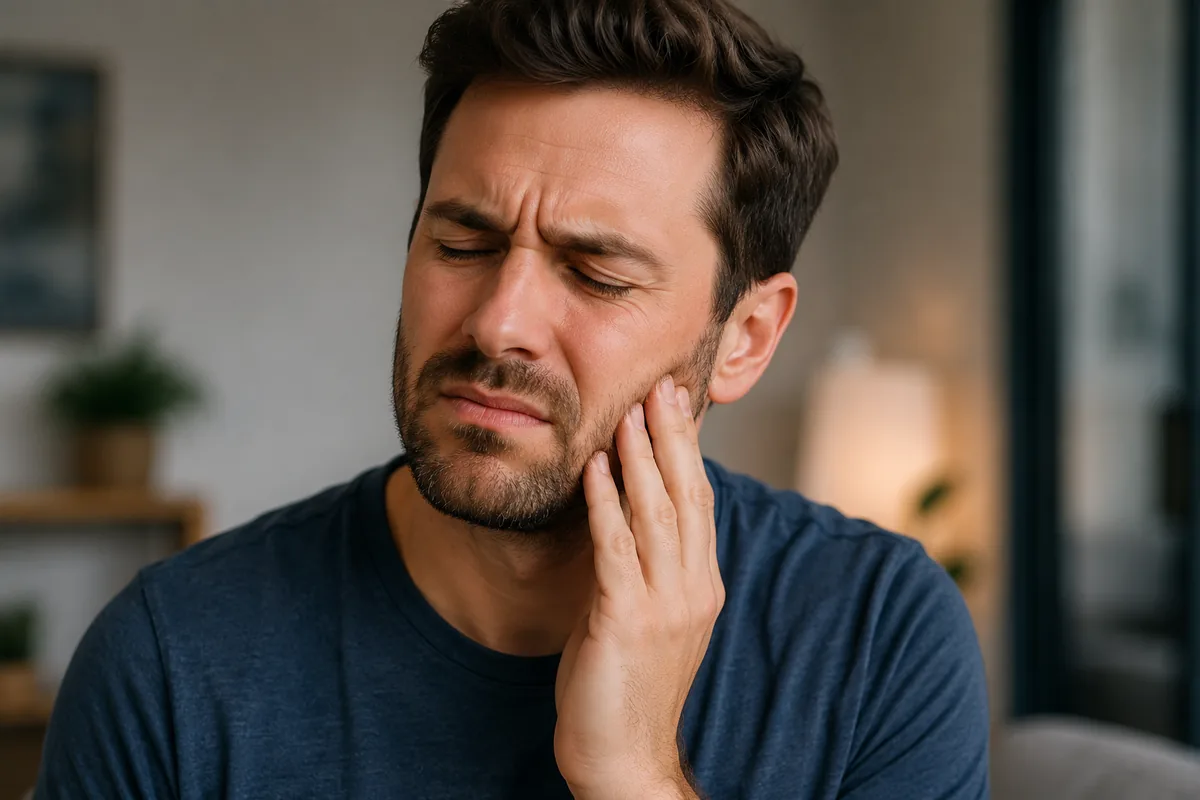
Not every episode of jaw tension needs formal treatment, but some signs deserve more attention. Ongoing headaches with jaw soreness, pain with chewing, frequent clenching, reduced ability to open comfortably, or symptoms that keep flaring up are all reasons to consider an evaluation. Conservative care is often the starting point, especially when the goal is to improve comfort and function before symptoms become more stubborn.
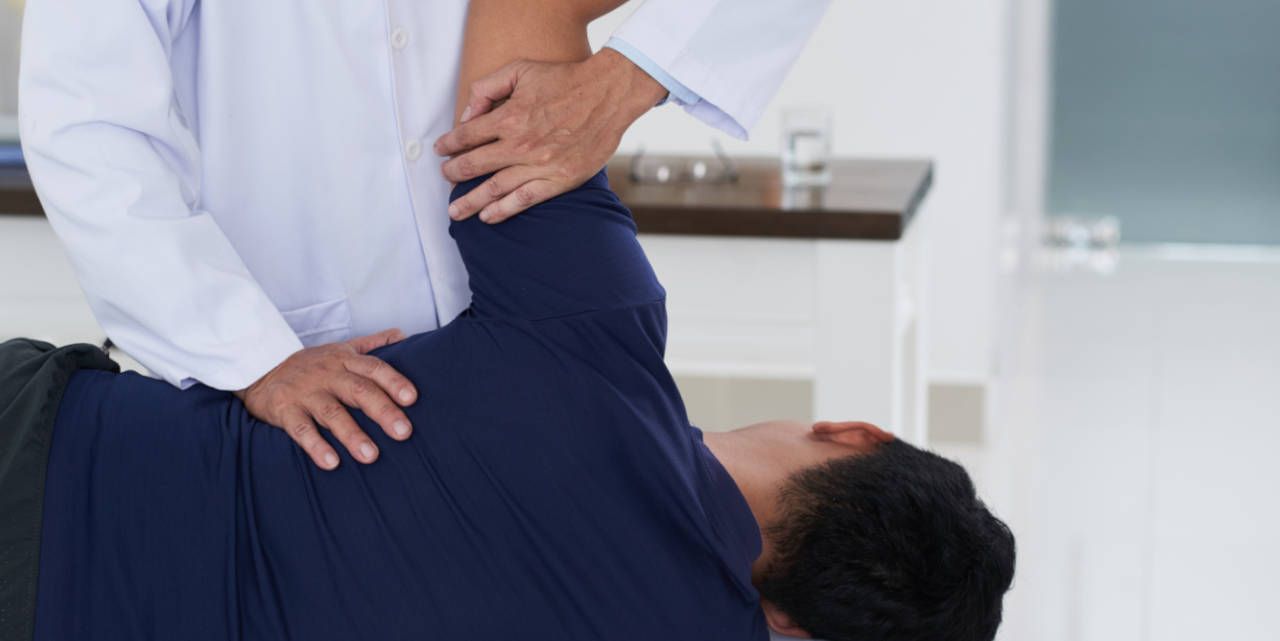
At Everett Spine & Rehab, this kind of problem is often approached by looking at the surrounding pattern, not just one painful spot. Depending on the patient, care may involve chiropractic treatment, massage therapy, dry needling, and rehab-focused strategies to address tension, mobility restrictions, and mechanical stress through the jaw, neck, and upper back.
FAQs
What is the difference between TMJ and TMD?
TMJ refers to the temporomandibular joint itself. TMD is the broader term for disorders affecting the joint, nearby muscles, and related structures.
Can TMJ problems cause headaches?
Yes. Jaw dysfunction and muscle tension around the jaw can contribute to temple pain, facial tension, and headache symptoms in some patients.
Why does TMJ sometimes feel like neck tension?
The jaw, neck, and upper shoulder muscles often influence each other. When one area is overloaded through clenching, guarding, or restricted movement, nearby areas may also become tense or painful.
When should I seek care for TMJ-related symptoms?
If pain keeps returning, affects chewing, limits jaw movement, or comes with frequent headaches and neck tension, it is a good time to get checked.
If headaches, jaw pain, and neck tension seem to keep feeding into each other, Everett Spine & Rehab can help evaluate the pattern and build a treatment plan focused on comfort, mobility, and function.