
Shoulder Pain After a Car Accident: Common Causes and When Chiropractic Care May Help
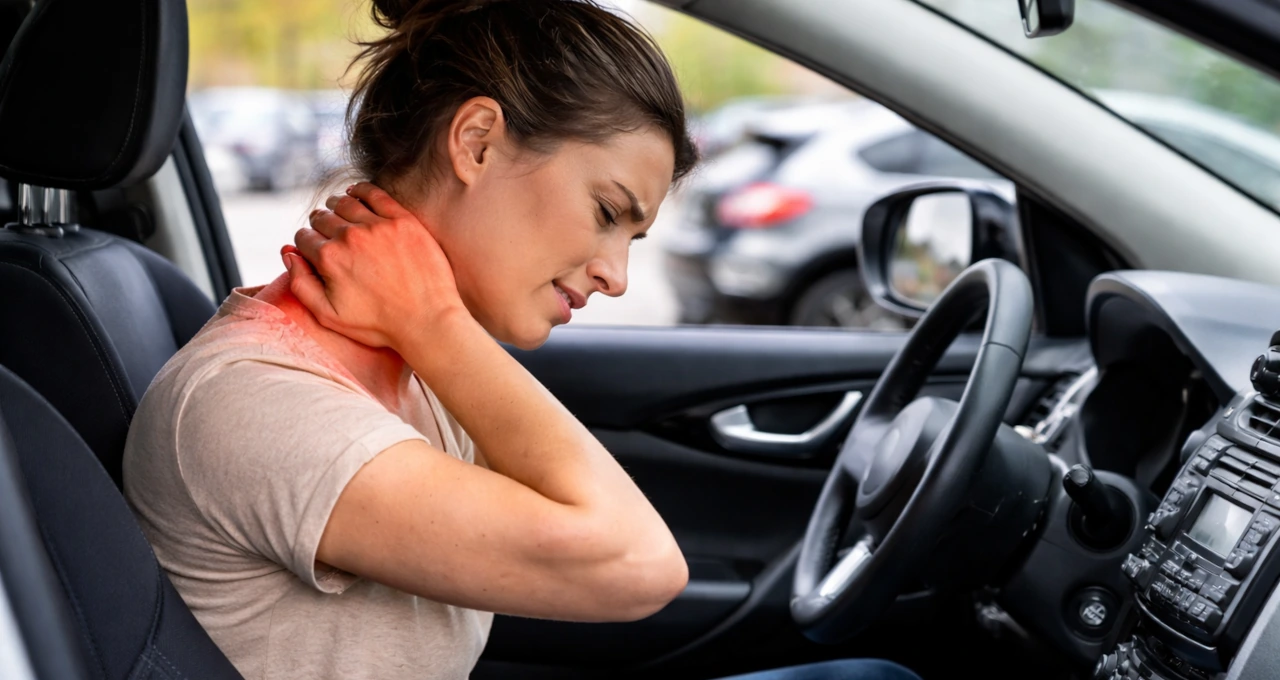
Shoulder pain after a car accident can be easy to dismiss in the first day or two, especially when neck pain, back soreness, or headaches feel more obvious. Then everyday movements start to change. Reaching for the seat belt hurts. Sleeping on one side becomes uncomfortable. Lifting a bag, turning the steering wheel, or raising the arm overhead brings on a sharp pull or deep ache. Because the shoulder includes several joints, tendons, muscles, and connective tissues working together, a collision can leave this area irritated in more than one way. The American Academy of Orthopaedic Surgeons explains that the shoulder is vulnerable to several problems because of how many structures make up the joint, and MedlinePlus notes that shoulder pain may come from swelling, tissue damage, strains, sprains, or rotator cuff problems.
Why shoulder pain happens after a crash
In a motor vehicle accident, the shoulder can be affected by bracing against the steering wheel, force through the seat belt, sudden twisting, or the body being thrown against the seat and then pulled back by the restraint system. NHTSA’s crash injury research focuses on how occupant position, crash forces, and vehicle factors shape injury patterns in real-world collisions. That matters because shoulder pain after a car accident does not always come from one obvious injury. Sometimes it is a strain. Sometimes it is joint irritation. Sometimes it is pain referred from the neck or upper back that settles into the shoulder region.
People in Everett who spend a lot of time driving for work, commuting, lifting at work, or staying active often feel these symptoms more quickly once normal routines resume. A shoulder problem that seemed minor at first can become more noticeable once you are turning the wheel, carrying groceries, reaching into the back seat, or trying to sleep comfortably again.
Common shoulder symptoms after a car accident
Shoulder pain after a crash can show up in a few different ways. Some people feel soreness across the top or front of the shoulder. Others notice pain deeper in the joint or along the upper arm. MedlinePlus explains that shoulder pain often becomes more noticeable when lifting the arm overhead, moving the arm forward, or reaching behind the back. Rotator cuff resources from MedlinePlus and AAOS also describe weakness, clicking, popping, night pain, and loss of motion as common shoulder-related symptoms.
Common symptoms people describe
- pain when lifting the arm overhead
- soreness reaching across the body or behind the back
- pain when turning the steering wheel
- aching at night, especially when lying on that side
- weakness when carrying or lifting
- clicking, popping, or a catching feeling
- stiffness or reduced range of motion
- pain that runs from the neck into the shoulder blade or upper arm
That last pattern is important because shoulder pain after a crash sometimes starts in the cervical spine and refers into the shoulder. A good exam helps sort out whether the problem looks more like local shoulder injury, neck-related referral, or a combination of both. AAOS and MedlinePlus both emphasize that shoulder pain can come from several causes, which is why symptoms and movement testing matter.
Common causes of shoulder pain after a car accident
One common cause is soft tissue strain. The muscles and ligaments around the shoulder can be overstretched during impact, especially if the arm was braced or pulled suddenly. Another common issue is rotator cuff irritation. The rotator cuff helps lift and stabilize the arm, and AAOS describes rotator cuff problems, tendinitis, and impingement as frequent sources of shoulder pain. MedlinePlus also notes that rotator cuff injuries may cause pain with reaching, weakness, clicking, and pain that worsens at night.
Seat belt force can also contribute to shoulder and chest wall soreness. NHTSA emphasizes that shoulder belts are designed to lie across the shoulder and chest because they reduce severe injury risk, yet that same protective force can leave people sore and irritated after a collision. According to NHTSA’s “Countermeasures That Work,” proper lap and shoulder belt use reduces the risk of fatal injury to front-seat passenger car occupants by 45 percent and the risk of moderate-to-critical injury by 50 percent.
A quick checklist: when shoulder pain deserves an evaluation
- pain lasts more than a few days
- sleep is getting interrupted
- lifting the arm feels weak or limited
- driving is more uncomfortable than usual
- you cannot reach overhead easily
- pain spreads into the upper arm or shoulder blade
- daily tasks like dressing or carrying groceries feel harder
- the shoulder keeps clicking, catching, or feeling unstable
These patterns often point to more than simple soreness and can make recovery drag out longer than necessary. AAOS notes that persistent shoulder pain, weakness, and loss of function are good reasons to seek medical evaluation.

A short red-flag checklist
- major weakness after the crash
- obvious deformity around the shoulder or collarbone
- swelling that is rapidly increasing
- severe pain with very limited arm movement
- numbness that extends down the arm or into the hand
- symptoms after a high-force crash that make the arm difficult to use at all
More significant injuries such as fractures, dislocations, or serious soft tissue damage can happen in motor vehicle collisions, and AAOS includes fractures and instability among common shoulder problems that may require more urgent evaluation.
When chiropractic care may help
For many patients, chiropractic care may help when shoulder pain after a car accident is tied to joint restriction, neck and upper back mechanics, muscular guarding, and the way the body is compensating after impact. That is especially true when the pain pattern involves both the shoulder and nearby areas such as the neck, upper back, or shoulder blade.
At Everett Spine & Rehab, a chiropractic evaluation can help determine whether the pain looks more local to the shoulder, more related to the cervical or thoracic spine, or part of a broader auto injury pattern that could also benefit from rehab-focused physical therapy. The goal is to improve movement, reduce irritation, and help patients return to driving, work, exercise, and daily activity with better comfort and function.
FAQ
Can shoulder pain show up a day or two after a car accident?
Yes. Inflammation, muscle guarding, and soft tissue irritation can become more noticeable after the first day. Crash-related pain patterns often evolve as the body settles after the collision.
What does rotator cuff pain usually feel like?
It often feels worse with lifting, reaching overhead, reaching behind the back, or lying on the sore side at night. Weakness and clicking can also show up.
Can a seat belt cause shoulder pain after a crash?
Yes. The shoulder belt helps protect you during impact, but the force across the shoulder and chest can leave the area sore or irritated afterward.
Can a chiropractor help with shoulder pain after a car accident in Everett?
Chiropractic care may help when shoulder pain involves surrounding joint mechanics, post-accident stiffness, muscular tension, and related neck or upper back restriction. A thorough exam helps determine the best next step.
If shoulder pain after a car accident is making it harder to sleep, drive, lift, or move comfortably, Everett Spine & Rehab can help evaluate what may be contributing and whether chiropractic care should be part of your recovery plan.
Sources
- American Academy of Orthopaedic Surgeons: Shoulder Pain and Common Shoulder Problems — https://orthoinfo.aaos.org/en/diseases–conditions/shoulder-pain-and-common-shoulder-problems/
- MedlinePlus: Shoulder Pain — https://medlineplus.gov/ency/article/003171.htm
- NHTSA: Crash Injury Research — https://www.nhtsa.gov/research-data/crash-injury-research
- American Academy of Orthopaedic Surgeons: Shoulder Impingement/Rotator Cuff Tendinitis — https://orthoinfo.aaos.org/en/diseases–conditions/shoulder-impingementrotator-cuff-tendinitis/
- NHTSA: Seat Belts — https://www.nhtsa.gov/vehicle-safety/seat-belts
- MedlinePlus: Rotator Cuff Injuries — https://medlineplus.gov/rotatorcuffinjuries.html