Slip and Fall at Work: Why Hips, Knees, and Low Back Hurt Days Later
A slip and fall at work can feel “not that bad” in the moment, especially if you pop up quickly, finish your shift, and assume you just bruised something. Then 24–72 hours later, your hip feels tight, your knee aches on stairs, or your low back locks up when you try to get out of the car.
If you’re in Everett or Snohomish County (Lynnwood, Mukilteo, Mill Creek, Marysville, etc.), this delayed pain pattern is one of the most common work-injury complaints we see in chiropractic care, physical therapy, and massage therapy. Here’s why it happens—and what to do next.
Slip, Trip, and Fall Injuries Are Very Common
Workplace falls aren’t rare, and they often lead to time off work. The Bureau of Labor Statistics reports 479,480 cases involving days away from work related to falls, slips, and trips (2023–2024 DAFW cases).
On the fatal side, BLS also reported 844 fatal work-related injuries from falls, slips, and trips in 2024.
In other words: even when a fall seems “minor,” it’s a major driver of real injuries.
Why Pain Can Show Up Days Later
1) Adrenaline masks symptoms
Right after a fall, your nervous system is in “protect and move” mode. Adrenaline and stress hormones can temporarily dull pain signals, so you may not feel the full impact until later that evening or the next day.
2) Your body tenses to protect you
After a slip, your body often goes into automatic “save the fall” mode—arms flail, the hip twists, the knee catches, and the low back stiffens. Those protective reflexes can cause:
- Muscle strains (low back, glutes, hip flexors)
- Joint irritation (SI joint, hip, knee)
- Tendon overload (hamstring, quad, patellar tendon)
The soreness that shows up later is often your body saying, “That was a bigger event than you thought.”
3) Most workplace falls are “same level” falls
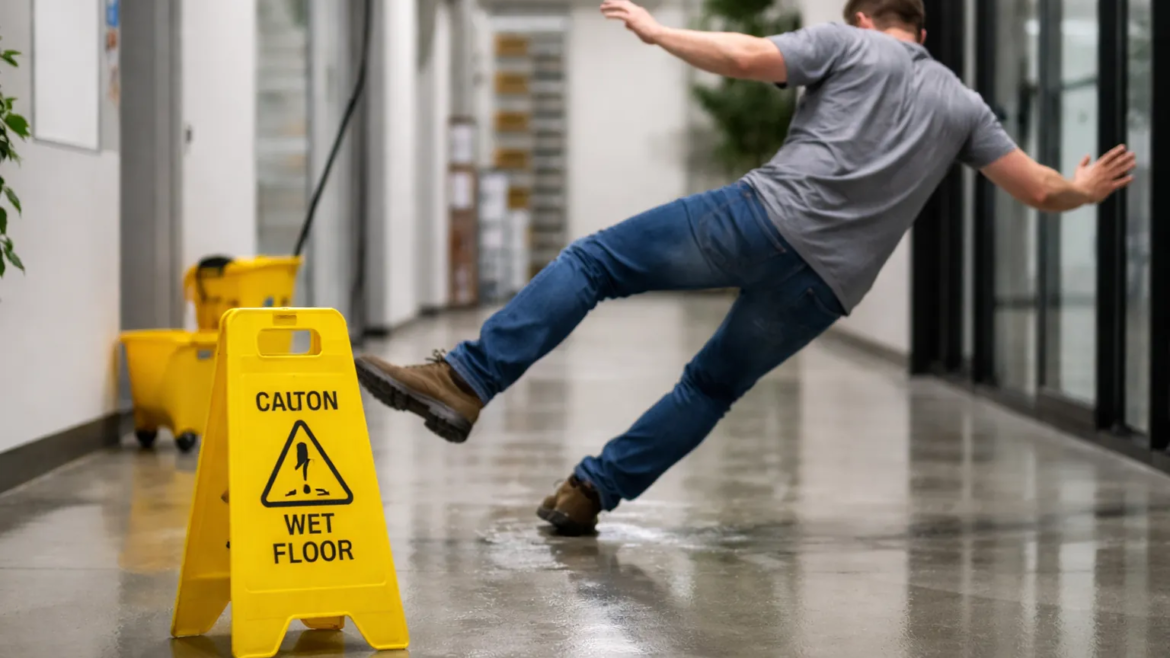
Many workplace injuries are not just ladder falls. They’re slips on wet floors, uneven mats, clutter, or awkward pivots while carrying something. CDC/NIOSH notes that the highest counts of nonfatal fall injuries occur in certain industries and are mostly slips and falls on the same level.
Same-level falls often create twisting and impact forces that hit the hip, knee, and low back hard.
4) Inflammation has a delayed timeline
Inflammation ramps up over hours. That’s why people commonly feel “fine” after the fall, then wake up stiff and sore the next morning, or feel worse on day 2.
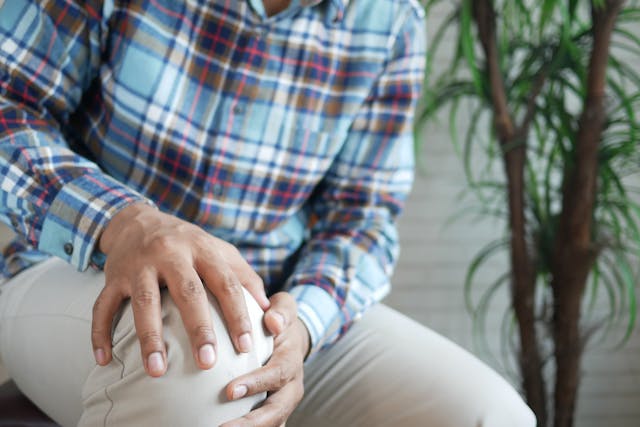
These are red-flag-free but still important symptoms that often benefit from evaluation:
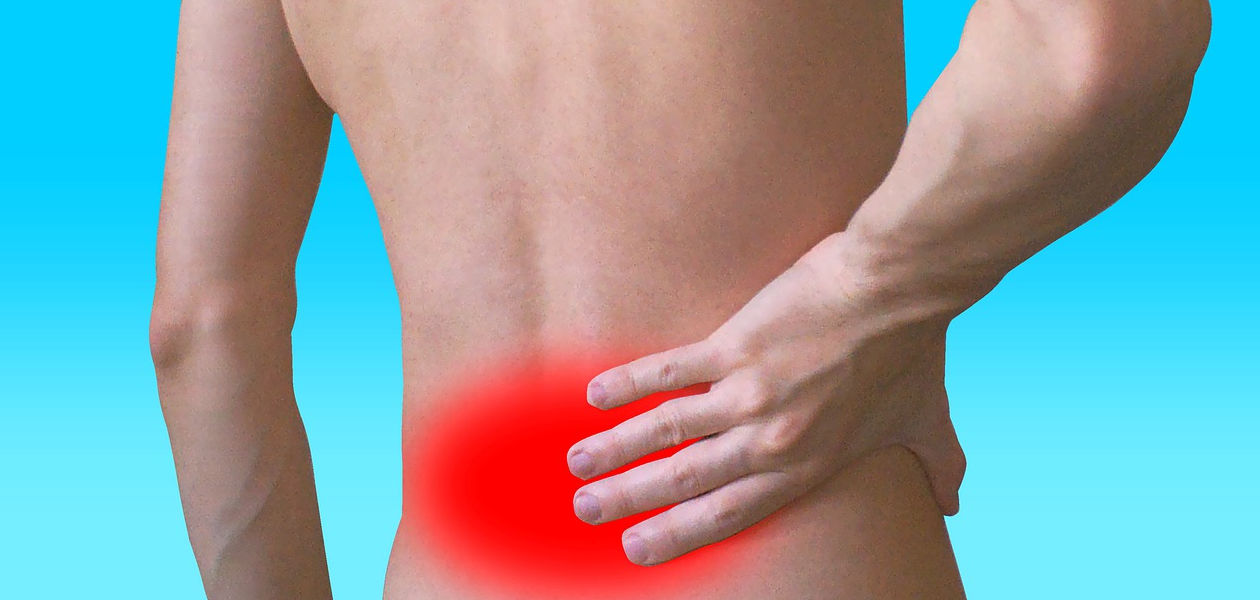
- Hip pain when walking, getting in/out of a car, or turning in bed
- Knee pain on stairs, squatting, or after sitting
- Low back pain with bending, lifting, or standing too long
- Tailbone soreness (especially if you landed seated)
- Tightness in glutes/hamstrings that feels like “pulling”
- A limp or uneven stride that wasn’t there before
These patterns matter because walking differently for even a few days can create secondary pain in the back, hip, or opposite knee.
What to Do in the First 72 Hours
If you’ve had a slip and fall at work in Everett or nearby:
- Document symptoms early
Even if pain is mild, write down where you hurt and what movements trigger it. - Move gently, don’t “bed rest”
Short walks, light range-of-motion, and avoiding prolonged sitting usually beat total rest for most strains and joint irritation. - Avoid aggressive stretching into sharp pain
Stretching can help later, but early on it’s easy to overdo it and irritate tissue. - Get checked if symptoms worsen, spread, or don’t improve
Especially if you notice radiating pain, increasing swelling, instability, or significant movement loss.
Washington State L&I publishes injury data tools that track workers’ comp claims and injury patterns statewide, underscoring how common and costly work injuries can be over time.
How PT, Chiropractic, and Massage Therapy Help Work Fall Injuries
A good work-injury plan should do two things:
- help you feel better now, and
- help you move well enough that the injury doesn’t linger.
Physical therapy
Often focuses on:
- restoring normal walking mechanics
- improving hip/knee stability
- rebuilding strength safely (especially for return-to-work demands)
Chiropractic care
Often focuses on:
- restoring motion in stiff spinal or pelvic joints
- reducing mechanical irritation that can keep the low back “stuck”
Massage therapy
Often helps with:
- calming protective muscle guarding
- improving comfort so you can move normally again
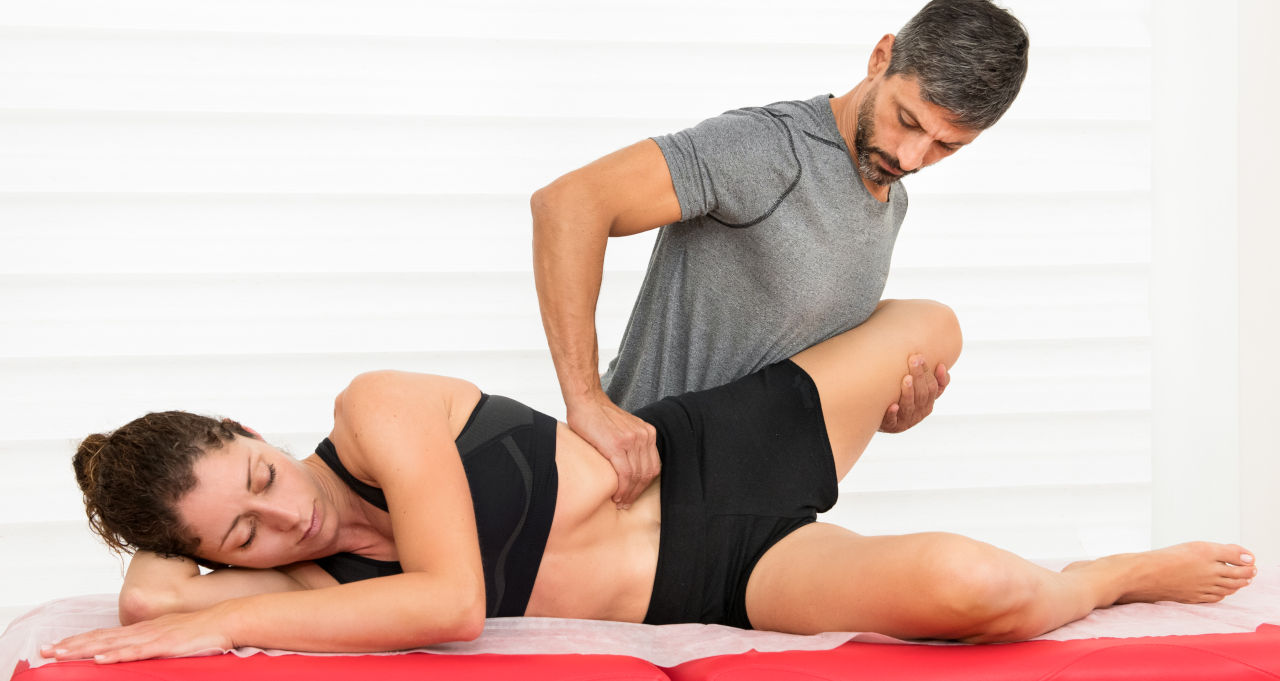
In an integrated clinic, these approaches can complement each other—especially when the injury involves both impact (bruise/joint irritation) and strain (tight, reactive muscles).
When to Seek an Evaluation
Consider booking an evaluation if:
- pain lasts more than 7–10 days
- walking feels uneven or you’re limping
- knee feels unstable, swollen, or “catches”
- hip pain interrupts sleep or stairs
- low back pain is worsening or spreading
And if your fall involved a ladder, it’s worth taking seriously even if you feel okay. Washington resources commonly highlight ladder falls as a recurring source of serious work injuries.
Local Next Step
If you’ve had a slip and fall at work in Everett, early care can help prevent that “minor fall” from turning into weeks of hip, knee, and low back pain. We serve patients across Snohomish County, including Lynnwood, Mukilteo, and Mill Creek, with coordinated physical therapy, chiropractic care, and massage therapy.