Can Dry Needling Help After a Car Accident in Everett, WA?
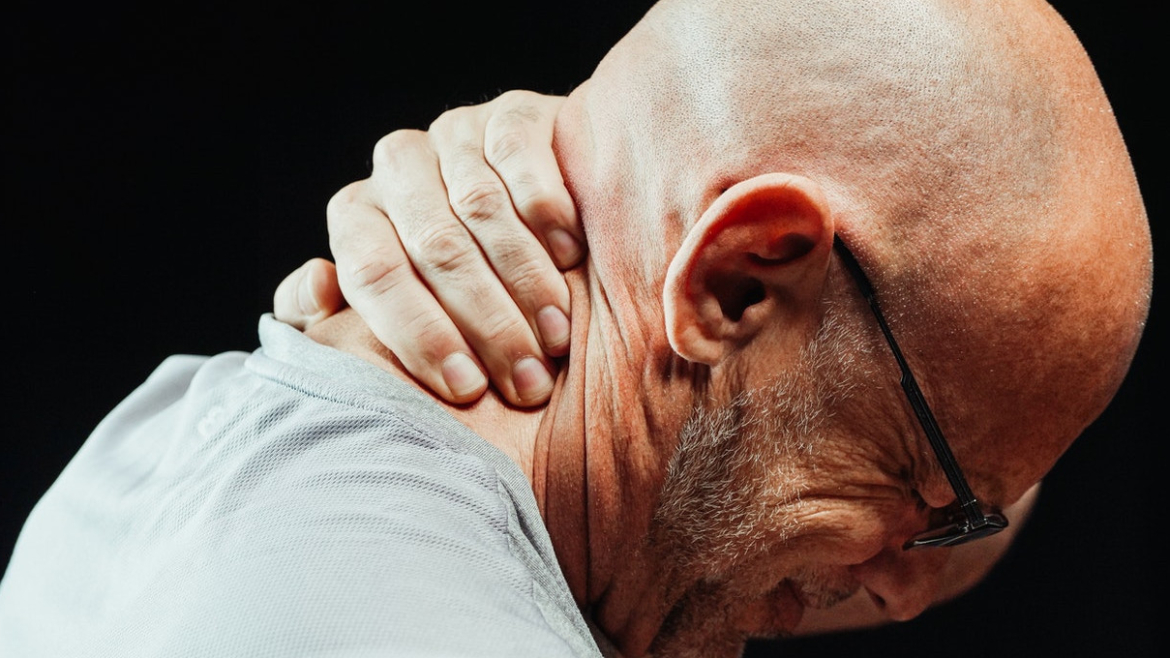
After a car accident, some symptoms are obvious right away. Others build over the next few days. Many people notice neck tightness, shoulder pain, upper back knots, or headaches that seem to linger even after the initial shock of the collision wears off.
Whiplash is especially common after rear-end crashes, and symptoms can include neck pain, stiffness, headaches, shoulder or upper back pain, and reduced range of motion. Mayo Clinic
That is one reason more patients ask about dry needling after a car accident in Everett, WA. It is a treatment many people have heard of, but do not fully understand. In the right situation, dry needling may help reduce muscle tension and improve movement as part of a broader rehab plan. It is usually most relevant when a crash leaves behind persistent trigger points, muscle guarding, or stubborn areas of tension that interfere with recovery. ChoosePT
What Is Dry Needling?
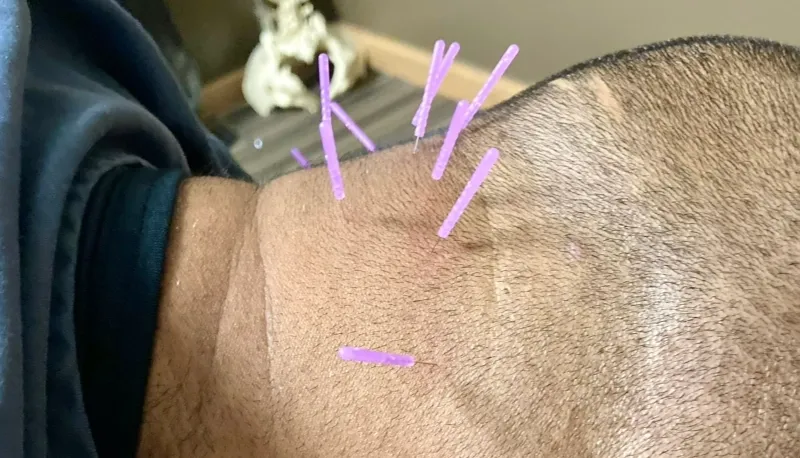
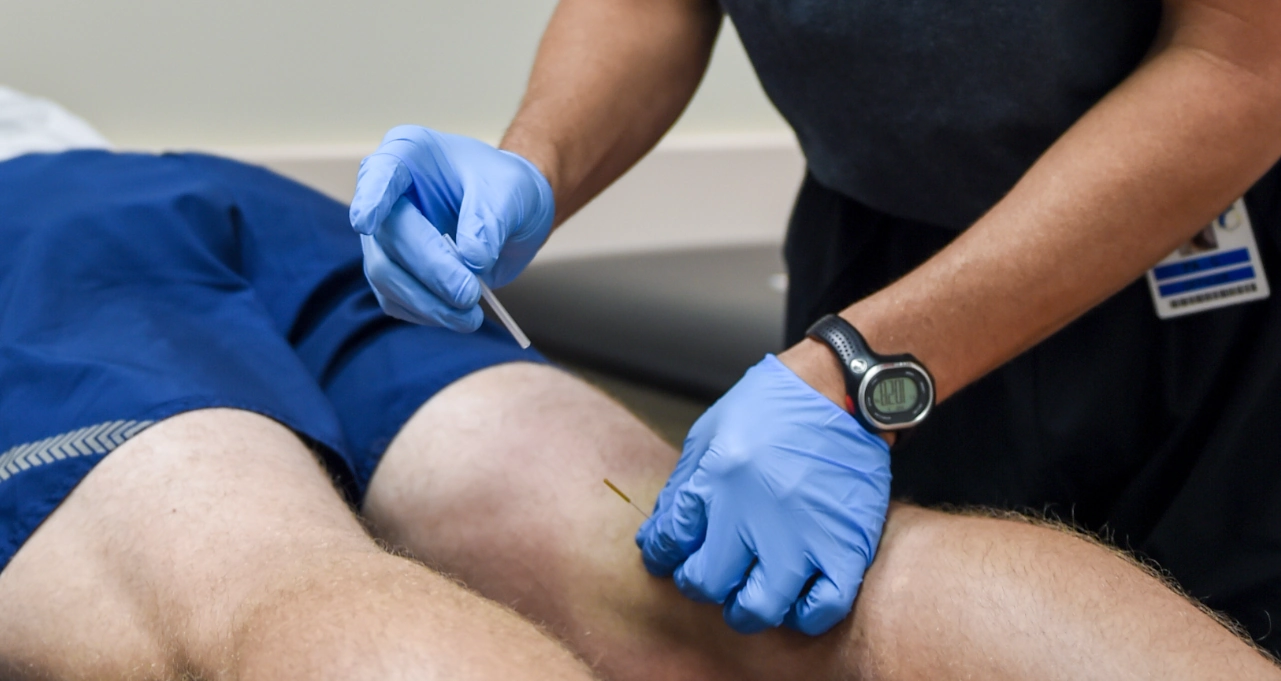
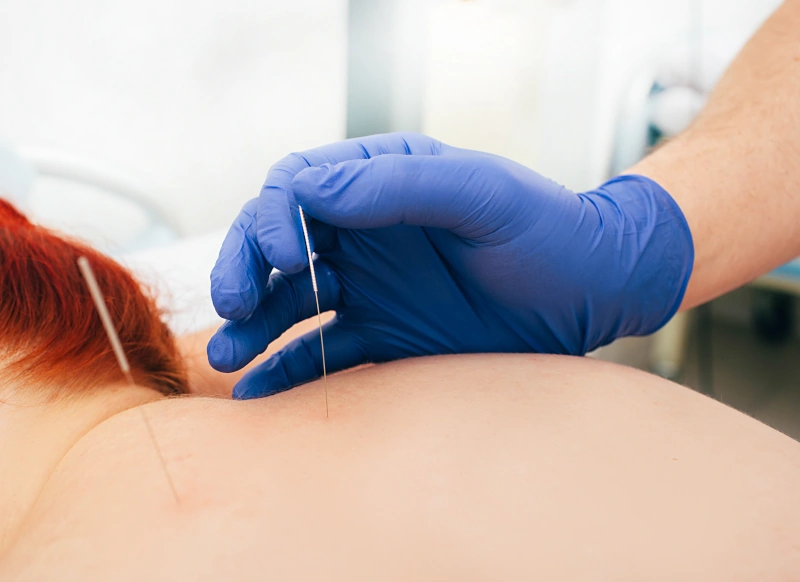
Dry needling is a technique used by trained physical therapists, where allowed by state law, to treat pain and movement problems. It uses a thin needle without medication or injection and targets areas of muscle that are tight, irritated, or dysfunctional. These areas are often referred to as trigger points. ChoosePT
How Dry Needling Works in Muscle and Trigger Points
After an injury, muscles can become overactive, guarded, and painful. Trigger points may develop in the neck, upper trapezius, shoulder blade region, or upper back. These tight spots can contribute to pain, stiffness, and reduced movement. Dry needling is often used to address those problem areas so the patient can move better and tolerate rehab more comfortably. ChoosePT
Dry Needling vs Acupuncture
Patients often confuse dry needling with acupuncture, but they are not the same. Dry needling is typically used in musculoskeletal care and is based on anatomy, movement dysfunction, and trigger point treatment. In a rehab setting, it is usually combined with exercise, mobility work, and other physical therapy strategies rather than used by itself.
Why Muscle Tension Is So Common After a Car Accident
A collision does more than create soreness. The body reacts to the sudden force by tightening muscles to protect the injured area. In whiplash, the head and neck move back and forth rapidly, which can strain muscles and other soft tissues in the neck and upper back. Mayo Clinic notes that whiplash is a forceful back-and-forth movement of the neck that is commonly caused by rear-end car crashes. Mayo Clinic
That can leave patients with:
- Neck stiffness
- Upper back tension
- Shoulder pain
- Headaches
- Painful knots or trigger points
- Trouble turning the head
- Discomfort with sitting, sleeping, or driving
These symptoms are common in whiplash-related injuries and can interfere with daily activity even when imaging does not show a major structural problem. Mayo Clinic
Can Dry Needling Help After a Car Accident?
In the right case, yes, it may help.
Dry needling may be useful when post-accident pain has a strong muscular component, especially when trigger points, guarded movement, and muscle tightness are limiting progress. ChoosePT explains that dry needling is used for pain and movement impairments, which is why it can fit into rehab when a patient is dealing with stiffness and restricted motion after a crash. ChoosePT
That said, it should be viewed as one tool within a larger treatment plan. Whiplash and auto injuries often affect more than one tissue at the same time. A patient might have muscle tightness, joint irritation, headaches, reduced mobility, and postural compensation all together. Mayo Clinic’s treatment guidance for whiplash emphasizes restoring range of motion, returning to usual activities, and using exercise as part of care, which supports using dry needling as part of a more complete rehab strategy rather than as a stand-alone fix. Mayo Clinic
What Dry Needling May Help After a Collision
Neck Pain and Whiplash-Related Tightness
Whiplash often causes pain and stiffness in the neck. If that stiffness is being driven by tight muscles and trigger points, dry needling may help calm down those areas so movement work becomes easier. Mayo Clinic
Shoulder Pain and Upper Back Tension
After a crash, people often feel pain across the upper trapezius, shoulder blade region, or between the shoulder blades. These areas can become tense and overworked as the body compensates for discomfort elsewhere. Dry needling may help reduce that muscular tension when it is part of the problem. Mayo Clinic
Tension Headaches Linked to Muscle Irritation
Headaches are a common whiplash symptom. When they are related to neck and upper shoulder tension, treating muscular trigger points may be useful alongside other rehab approaches. Mayo Clinic
Reduced Range of Motion
A major goal in post-accident rehab is helping the patient move more normally again. ChoosePT’s neck pain guide notes that physical therapy is aimed at reducing pain, restoring movement, and helping people return to regular activities. If dry needling helps reduce guarding and stiffness, it may support that broader goal. ChoosePT
When Dry Needling Should Be Part of a Bigger Rehab Plan
Dry needling is usually most helpful when it is paired with a proper evaluation and an active treatment plan. That may include mobility work, strengthening, posture correction, manual therapy, and guided exercise based on what the patient is actually dealing with. Mayo Clinic notes that whiplash treatment often focuses on pain control, restoring range of motion, and returning to regular activities. Mayo Clinic
This matters because not every post-accident symptom is mainly muscular. Some patients may need imaging, neurological screening, or a more cautious treatment progression depending on symptom severity. Getting evaluated first helps determine whether dry needling is appropriate, when it should be used, and what else should be included in the recovery plan. Mayo Clinic
Dry Needling After a Car Accident in Everett, WA
If you were in a collision and are still dealing with neck tightness, upper back tension, headaches, or shoulder pain, dry needling may be worth considering as part of your recovery plan. The key is making sure it is being used for the right reason and alongside the right combination of care.
At Everett Spine & Rehab, dry needling can be integrated into a broader rehab approach for patients recovering from car accident injuries in Everett, WA. For patients with muscular trigger points, whiplash-related tightness, and movement restrictions, it may be one part of a coordinated plan that also includes physical therapy, chiropractic care, massage therapy, and functional rehab.
FAQ About Dry Needling After a Car Accident
Can dry needling help whiplash after a car accident?
It may help when whiplash symptoms include muscular trigger points, neck tightness, headaches, or restricted motion. It is usually one part of treatment rather than the only treatment. Mayo Clinic
Is dry needling painful?
Patients often feel a brief pinch or twitch response, and some soreness afterward is possible. The exact experience varies by person and by treatment area. ChoosePT describes it as a technique using a thin needle to target muscle dysfunction. ChoosePT
How soon after a car accident can you get dry needling?
That depends on the injury and the exam findings. A provider should first determine whether dry needling is appropriate and whether other issues need attention before beginning that type of treatment. Mayo Clinic
Can dry needling help headaches after a collision?
If headaches are related in part to neck and shoulder muscle tension, dry needling may help address that muscular component as part of a broader rehab plan. Headaches are a common whiplash symptom. Mayo Clinic
Is dry needling enough by itself after a car accident?
Usually no. Auto injury rehab often works best when treatment also addresses movement, strength, function, and activity tolerance. Exercise and restoring normal movement are common parts of whiplash care. Mayo Clinic
Everett Spine & Rehab
If you are dealing with lingering neck tension, headaches, shoulder tightness, or upper back pain after a crash, Everett Spine & Rehab can evaluate your symptoms and determine whether dry needling should be part of your treatment plan. Contact our Everett office to schedule an evaluation for post-accident rehab.