
Healthy, Easy New Year Resolutions You Can Start Today (Spine-Friendly)
New Year’s resolutions don’t have to be dramatic to be life-changing. In fact, the easiest health habits tend to be the ones you’ll still be doing when February rolls around—especially when they reduce daily aches, stiffness, and stress on your spine.
If you’re in Everett, WA (or nearby Mukilteo, Lynnwood, Mill Creek, Marysville, Lake Stevens, Bothell, or Edmonds), this time of year often includes more sitting, more screen time, colder weather, and less movement. That combo can show up as tight hips, cranky low backs, neck tension, headaches, or that “I feel stuck” feeling in your body.
Below are simple, realistic, spine-friendly resolutions you can start today—no special equipment, no perfect schedule required.
1) Walk 10 minutes after one meal
A short walk after lunch or dinner is one of the most “bang-for-your-buck” habits for overall health—plus it helps your back by gently moving your hips and spine through a natural rhythm. The CDC recommends adults aim for at least 150 minutes of moderate-intensity activity per week (plus muscle-strengthening activities). A 10-minute walk is a perfect, low-pressure way to begin. CDC
Everett tip: If weather is messy, do a few laps at the mall, walk stairs at home, or pace during a phone call.
2) Do a 60-second posture reset, 3 times per day
Posture doesn’t need perfection—it needs variety and a few “resets” to undo hours of slumping.
Try this quick reset:
- Feet flat, stand tall
- Gently tuck chin (make a “double chin”)
- Roll shoulders up, back, and down
- Squeeze shoulder blades lightly for 5 seconds
- Take 3 slow breaths
Set it to happen when you: start work, after lunch, and before bed.
3) Break up sitting with “micro-movement”
If you sit for work, the goal isn’t “never sit.” It’s “don’t stay in one position too long.” The WHO includes guidance on sedentary behavior alongside physical activity, emphasizing the value of reducing prolonged sitting time. World Health Organization
Easy rule: every 30–60 minutes, stand up for 30–60 seconds.
Ideas:
- 10 bodyweight squats
- March in place
- Reach arms overhead and side-bend
- Walk to refill water
Your spine loves frequent, low-intensity movement.
4) Add 2 days of “spine-support” strength (10 minutes counts)
Strength training doesn’t have to be intense to be helpful. Your spine relies on surrounding muscles—especially glutes, core, and upper back.
Try this 10-minute circuit (2 rounds):
- Glute bridges x 10–12
- Bird-dogs x 6 per side
- Wall angels x 8–10
- Side plank (knees down is fine) x 15–25 seconds each side
If anything increases pain sharply or causes numbness/tingling, stop and get assessed.
5) Upgrade your workstation with 3 quick fixes
Most “desk pain” is a mix of posture + repetition + poor setup. A simple ergonomic tune-up can reduce strain on your neck and low back. NIH ergonomics guidance highlights supportive seating (including lumbar support) and positioning that reduces stress on your body. Office of Research Services
Start with:
- Screen at eye level (use books/stand)
- Elbows near your sides (not reaching forward)
- Lower back supported (small pillow or lumbar roll)
6) Build a 30-minute sleep wind-down
Sleep affects pain sensitivity, recovery, energy, and motivation. The CDC notes most adults need at least 7 hours of sleep per night. CDC
Simple wind-down ideas:
- Dim lights
- Phone on charger away from bed
- Warm shower or stretching
- Read 5–10 pages (paper book)
- Write tomorrow’s top 3 tasks (to quiet the brain)
Even if your sleep isn’t perfect yet, a consistent wind-down trains your nervous system to downshift.
7) Hydrate “by routine,” not willpower
Instead of a huge water goal, anchor hydration to habits you already do:
- 1 glass when you wake up
- 1 glass with lunch
- 1 glass mid-afternoon
- 1 glass with dinner
Hydration supports muscles, joints, and recovery—especially if you’re adding more movement.
8) Stretch what gets stiff: hips + chest (2 minutes each)
Many people in Snohomish County spend hours sitting or driving, which often tightens hip flexors and chest muscles—pulling on the low back and rounding shoulders.
Try:
- Hip flexor stretch (30–45 sec/side)
- Doorway chest stretch (30–45 sec)
- Gentle thoracic rotation (5 reps/side)
The goal is “daily motion,” not forcing flexibility.
9) Pick one “pain-proofing” habit for your busiest days
Busy days are when your body needs support most. Choose a minimum habit you can do even when life is chaos:
- 5-minute walk
- 1 posture reset
- 60 seconds of breathing
- 10 bridges before bed
Consistency beats intensity—especially for spine health.
10) Schedule a baseline check-in
If you’ve been dealing with recurring back pain, neck tension, headaches, sciatica-like symptoms, or old injuries that flare up, make this your most practical resolution: get a plan.
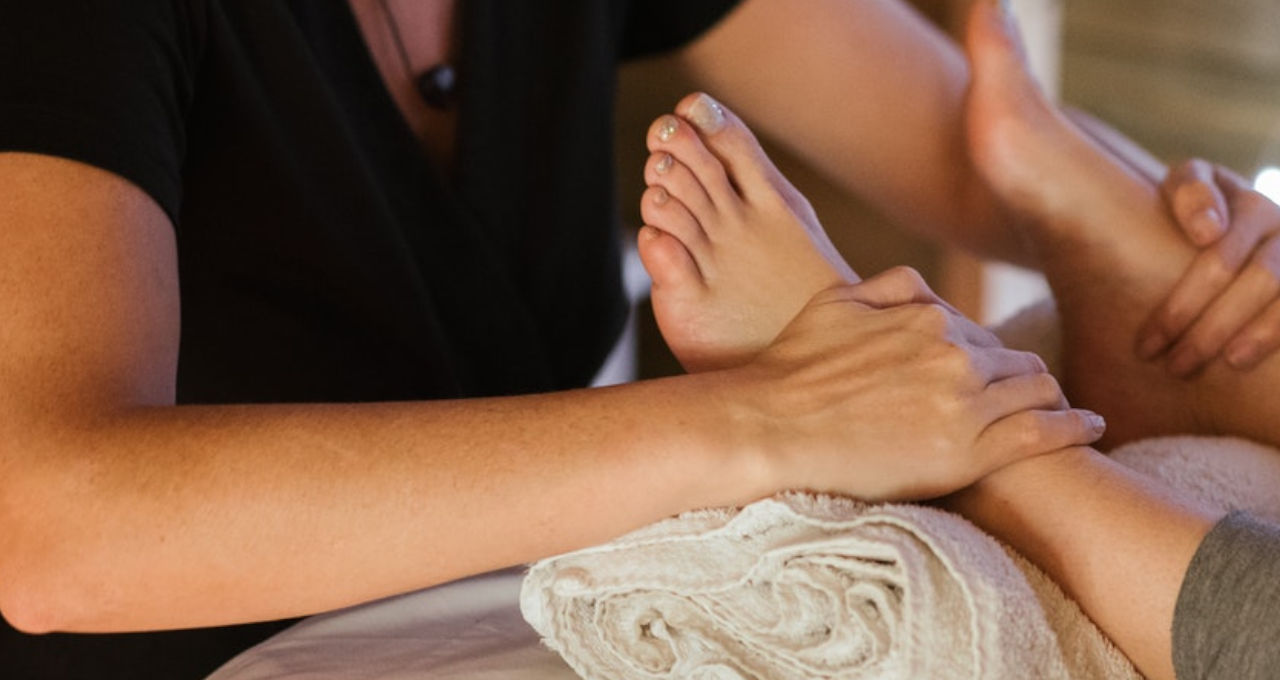
In our Everett-area clinic, we often combine chiropractic care, physical therapy-style rehab, and massage therapy to:
- improve mobility
- build strength and stability
- reduce muscle tension
- support healthier movement patterns for work, sports, and daily life
A short, targeted plan now can prevent months of “pushing through it” later.