Dry Needling vs Acupuncture (and Massage): What It’s Good For in 2026 — Everett, WA Guide
If you’ve been dealing with stubborn neck tension, low back tightness, or that “knot” that never fully lets go, you’ve probably seen dry needling pop up in physical therapy clinics around Everett, Snohomish, Mukilteo, Lynnwood, Mill Creek, Marysville, and Lake Stevens.
Dry needling can be a powerful tool—but it’s not the same as acupuncture, and it’s not always the best first option. Here’s a practical 2026 guide to what dry needling is good for, how it compares, and how we typically combine it with physical therapy, chiropractic care, and massage therapy for the fastest relief.
What is dry needling (in plain English)?
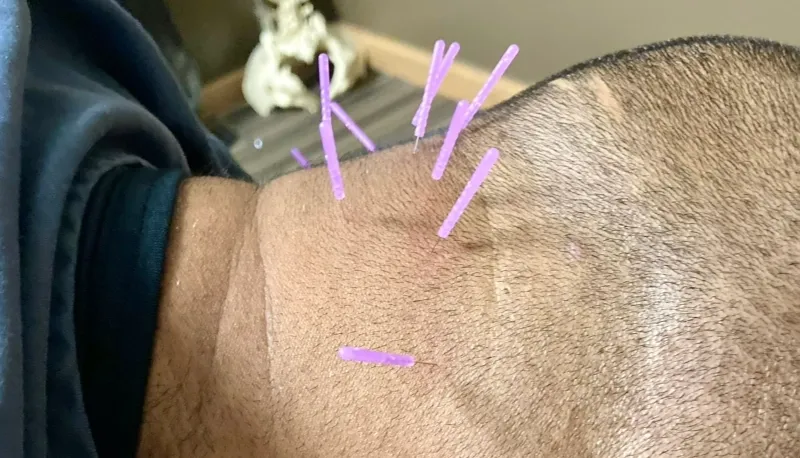
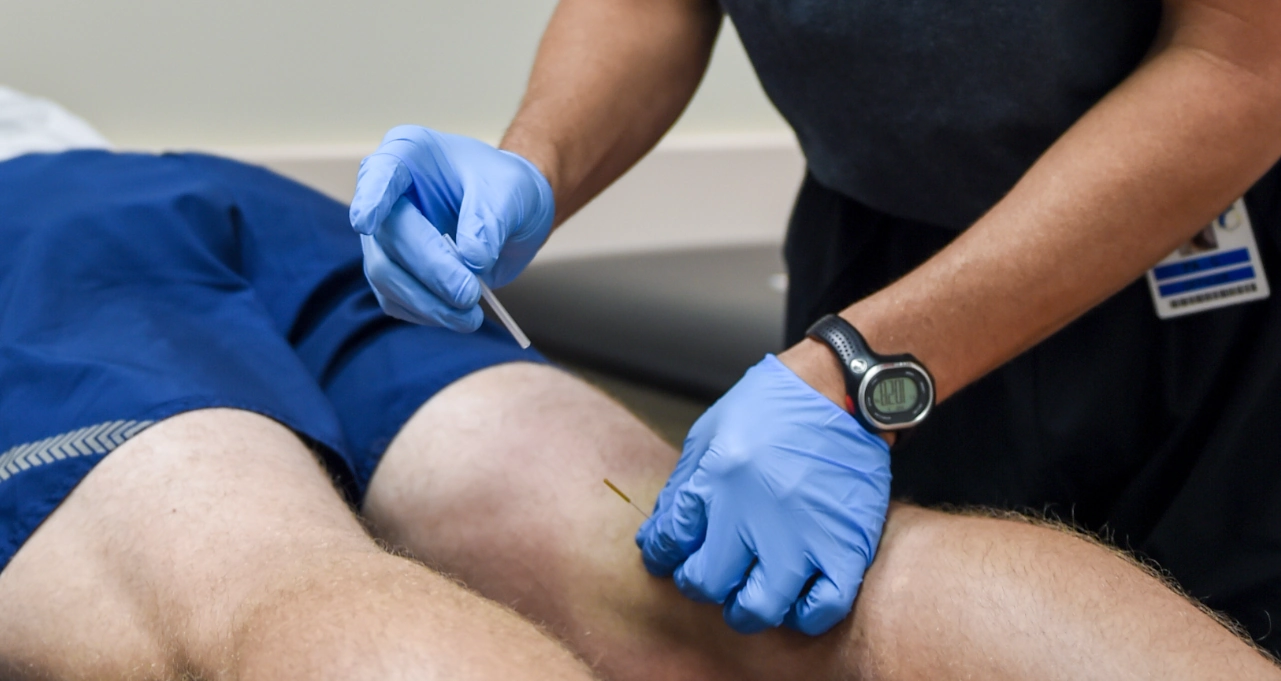
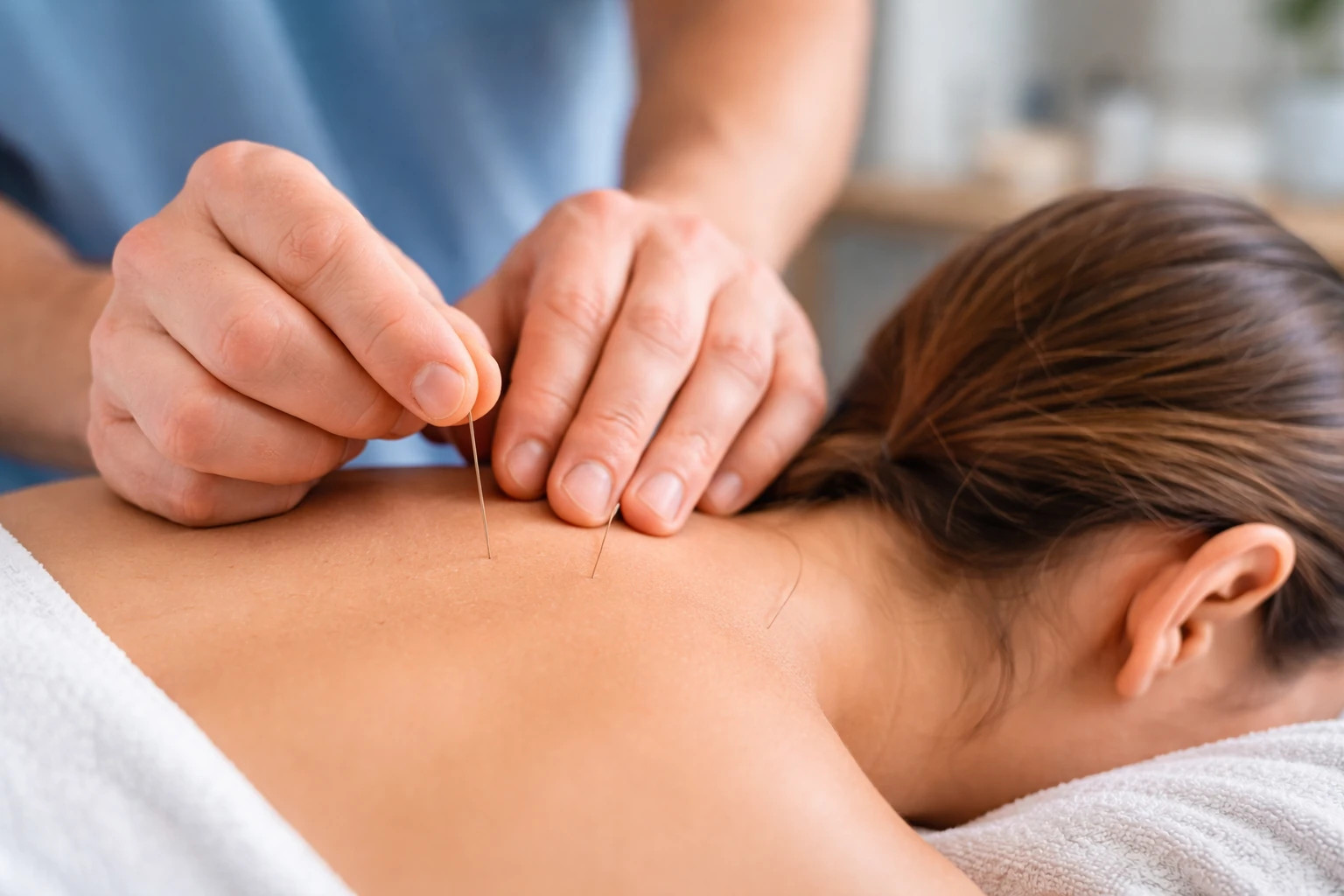
Dry needling uses a thin, sterile “filiform” needle to stimulate tight muscle bands and trigger points (often called “knots”) to reduce pain and improve movement. In Washington, it’s commonly referred to as intramuscular needling, and PTs need an endorsement to perform it.
What dry needling is good for (common reasons people in Everett book it)
Dry needling is most often used for neuromusculoskeletal pain and movement issues, especially when muscle tightness is limiting function. Research reviews and PT resources commonly highlight benefits like short-term pain reduction and improved mobility for certain conditions.
In real life, we often see it help with:
- Neck pain and “tech-neck” tension (desk work, long commutes)
- Shoulder pain (especially rotator cuff irritation + tight upper traps)
- Headache patterns tied to neck/upper back muscle tension
- Low back tightness with restricted motion
- Hip tightness (hip flexors, glutes, deep rotators)
- Calf/hamstring tightness in active people and weekend warriors
- Postural overload from lifting, childcare, or repetitive work tasks
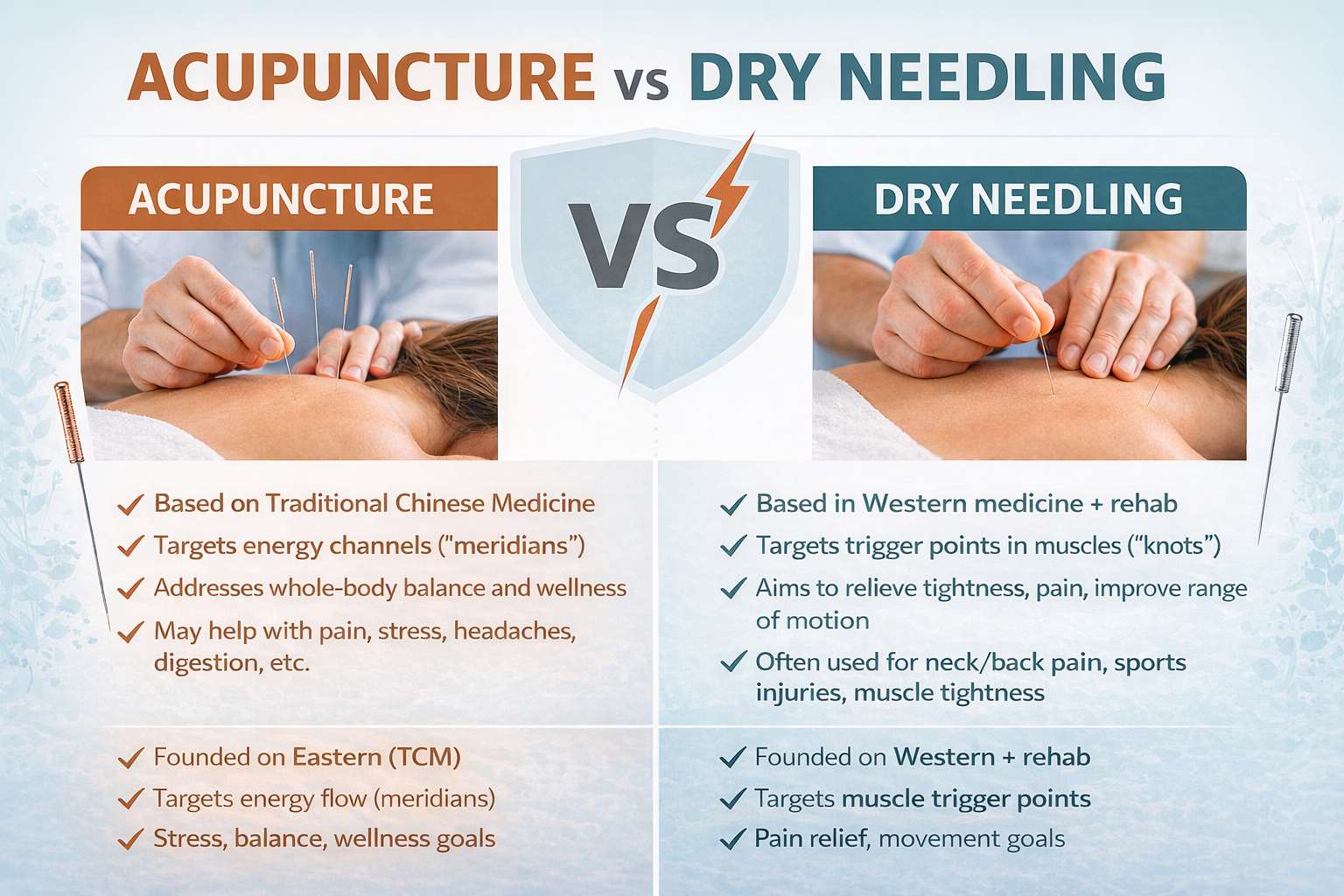
Dry needling vs acupuncture: the key difference
They can look similar because both use thin needles, but they’re built on different frameworks:
Dry needling targets muscular trigger points and is typically used inside a rehab plan (strength, mobility, posture, return-to-sport/work).
Acupuncture comes from Traditional Chinese Medicine principles and is often used for broader wellness goals, symptom modulation, and systemic concerns (varies by provider).
If your main goal is movement + function (lifting, running, sleeping without shoulder pain, turning your head comfortably), dry needling is often chosen as a rehab “accelerator.” If your goal is more whole-body regulation (stress, sleep, generalized discomfort), acupuncture may be a better fit depending on your needs and preferences.
Dry needling vs massage therapy: which works better?
This is the “vs something” comparison most patients actually care about.
Choose massage therapy when you want to reduce overall muscle guarding, improve circulation, and downshift your nervous system—especially if you’re stressed, sore, or you want full-body relief.
Choose dry needling when there’s a specific “hot spot” or trigger point that keeps reactivating, or when a tight muscle is blocking progress in PT.
Many people do best with both, because massage prepares tissue and calms the system, while dry needling can help reset stubborn trigger points—then PT locks in the change with movement retraining.
Where chiropractic care and PT fit in (especially for recurring pain)
If pain keeps coming back, it usually means the body is compensating—often due to joint restriction, weak stabilizers, or repetitive strain. That’s where combo care shines:
- Chiropractic adjustments can help restore joint motion and reduce mechanical stress.
- Physical therapy builds strength, mobility, and control so the problem doesn’t return.
- Massage therapy helps reduce tone, improve recovery, and support stress-related tension patterns.
- Dry needling can be the “shortcut” that reduces pain enough to move better and rehab faster.
Safety and what to look for in Washington (2026)
Dry needling is considered a skilled procedure. In Washington State, PTs can perform intramuscular needling/dry needling with the appropriate endorsement.
When you’re choosing a provider, ask:
- Are you endorsed/credentialed to perform intramuscular needling in WA?
- How do you screen for risk factors (blood thinners, pregnancy, infection, medical complexity)?
- How do you pair needling with rehab so results last?
Also know: mild soreness or bruising can happen; more serious complications are rare but part of why training and technique matter. (mdpi)
What to expect at your visit
A typical plan looks like:
- movement and pain assessment
- dry needling to key trigger points (if appropriate)
- immediate mobility/activation work (so your body “learns” the new range)
- a simple home plan (2–3 moves) to keep results between visits
When dry needling might NOT be the best choice
Dry needling may not be ideal if you:
- have significant needle anxiety
- have an active infection or skin irritation at the area
- are on certain medications (especially if bruising/bleeding risk is high)
- are dealing with pain that’s primarily from a non-muscular cause (needs evaluation)
Local takeaway for Everett-area patients
If you’re in Everett or nearby (Snohomish County and north Seattle suburbs) and dealing with recurring tightness or pain, dry needling can be extremely helpful—especially when it’s not used as a standalone fix, but as part of a plan that includes PT, chiropractic care, and/or massage therapy.