


Delayed Pain After a Car Accident in Everett, WA: When to Get Checked
A lot of people feel relieved when they walk away from a car accident and think they are okay. Then the next morning, or a few days later, the pain starts. It may show up as neck stiffness, back pain, headaches, shoulder tension, or soreness that was not obvious right after the crash. That pattern is common. Mayo Clinic notes that whiplash symptoms may be delayed for hours or days after the injury.
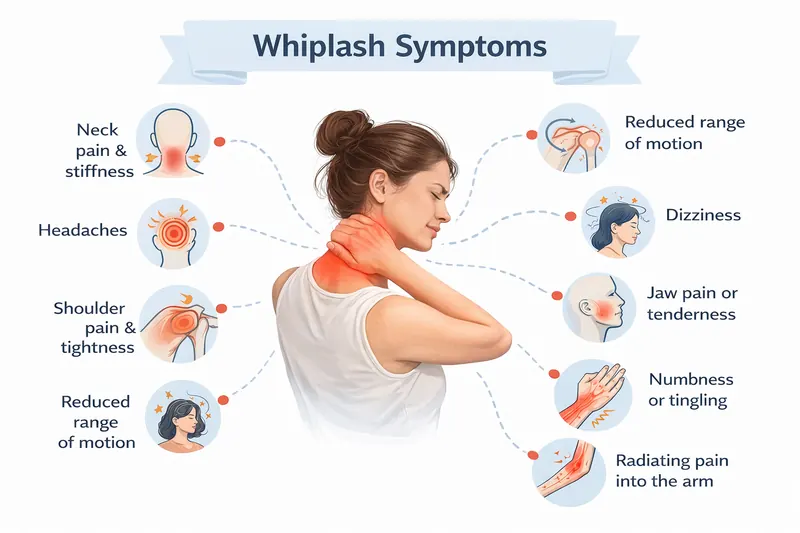
That is exactly why delayed pain after car accident Everett WA is such an important topic. Many people assume that if pain did not start immediately, the injury must be minor. In reality, delayed symptoms can still point to soft tissue injury, whiplash, or other problems that deserve evaluation. MedlinePlus notes that whiplash pain may take hours to weeks to develop and can include headache and pain or stiffness in the neck, jaw, shoulders, or arms.
Is It Normal for Pain to Show Up Days After a Car Accident?
Yes, it can be.
Right after a crash, your body is reacting to stress and impact. Adrenaline and the shock of the event can make it harder to notice pain at first. As the body settles down, inflammation, muscle guarding, and stiffness can become more noticeable. That is one reason symptoms may feel worse the next day or several days later. Mayo Clinic specifically says a whiplash injury may not cause symptoms right away.
Why Symptoms Are Sometimes Delayed
The tissues affected in a collision are often muscles, ligaments, joints, discs, and nerves. Some of those injuries create a gradual pattern of pain rather than instant severe symptoms. Cleveland Clinic notes that whiplash can involve strain and damage affecting bone, muscle, ligaments, and nerves in the neck and spine.
Why People Often Think They Are Fine at First
This is one of the biggest reasons people delay care. The accident is over, there is no obvious bleeding or fracture, and they can still move around. But feeling functional right away does not always mean everything is okay. Pain that develops later is still pain linked to trauma, and it still deserves attention. MedlinePlus supports that delayed onset is a recognized part of whiplash-type injuries.
Why Neck and Back Pain Are So Common After a Crash
The neck and back take on a lot of force during a collision. In rear-end accidents especially, the head and neck can move rapidly back and forth. Mayo Clinic describes whiplash as a forceful, rapid back-and-forth movement of the neck that commonly happens in rear-end car crashes.
That kind of sudden motion can irritate muscles, strain ligaments, aggravate joints, and create protective muscle tightening. It can also affect posture and movement patterns in the days after the crash, which is why many people start noticing pain when they turn their head, sit at a desk, sleep, or drive. Cleveland Clinic notes that trauma can damage muscles, ligaments, disks, vertebral joints, and nerve roots in the neck and spine.
Common Delayed Symptoms After a Car Accident
- Neck pain or stiffness
- Upper back or low back pain
- Headaches
- Shoulder pain or tightness
- Soreness between the shoulder blades
- Jaw tension
- Reduced range of motion
- Tingling or radiating discomfort into the shoulder or arm
- Dizziness
MedlinePlus notes that delayed whiplash symptoms can include dizziness, headache, and pain or stiffness in the neck, jaw, shoulders, or arms.
When Delayed Pain Should Be Taken Seriously
Even if symptoms begin later, they should not be brushed off. Mayo Clinic advises seeing a healthcare professional as soon as possible if you have neck pain or other symptoms after an injury.
Signs You Should Get Checked Soon
- Worsening neck or back pain
- Persistent headaches
- Numbness or tingling
- Pain that radiates into the arms or legs
- Major stiffness or trouble moving
- Dizziness or balance issues
- Pain that disrupts sleep, work, or normal activity
These symptoms do not always mean a serious structural injury, but they do mean your body is telling you something needs attention. Cleveland Clinic notes that whiplash and related neck strain can affect multiple tissues and symptoms can vary in intensity.
Why Waiting Too Long Can Make Recovery Harder
One common mistake is assuming the pain will fade on its own if you just rest long enough. Sometimes it does improve, but sometimes movement restrictions, muscle guarding, and compensation patterns settle in and make the problem harder to resolve. Mayo Clinic notes that while many people improve within a few weeks, some develop longer-lasting pain and complications.
Why Early Evaluation Matters
Early evaluation helps determine what tissues may be involved, whether imaging or referral is needed, and what kind of treatment is appropriate. That matters because delayed pain after a crash is not always just soreness. It can involve whiplash, soft tissue injury, joint irritation, nerve irritation, or a combination of issues. Mayo Clinic emphasizes prompt evaluation when neck pain develops after trauma.
It also helps patients avoid the cycle of resting too much, moving too little, and getting stiffer over time. Appropriate rehab is generally focused on controlling pain, restoring motion, and returning to normal activities. Mayo Clinic
What Treatment May Involve
Treatment depends on the injury pattern and symptom severity. For some patients, care may involve physical therapy, chiropractic care, massage therapy, exercise-based rehab, and other supportive treatment to improve mobility and function. Mayo Clinic notes that whiplash treatment commonly includes pain control, exercise, and restoring range of motion.
For many car accident patients, coordinated care works well because symptoms often overlap. A person may have neck pain, headaches, upper back tightness, and limited shoulder movement from the same crash. Addressing the full pattern is often more practical than focusing on only one sore area.
Delayed Pain After a Car Accident in Everett, WA
If you were in a crash and the pain started later, it is still worth getting checked. Delayed symptoms are common after whiplash and other soft tissue injuries, and they can interfere with work, sleep, daily activity, and long-term recovery if ignored.
At Everett Spine & Rehab, we help patients dealing with delayed pain after car accidents in Everett, WA, including neck pain, back pain, headaches, muscle tightness, and whiplash-related symptoms. Because our clinic offers coordinated care under one roof, patients can get a treatment plan that fits the full injury picture instead of trying to piece care together on their own.

FAQ About Delayed Pain After a Car Accident
Is it normal to feel pain a few days after a car accident?
Yes. Delayed symptoms are common, especially with whiplash and soft tissue injuries. Pain may appear hours, days, or even weeks later. MedlinePlus
Why did I feel fine right after the accident?
Stress, adrenaline, and shock can temporarily mask symptoms. As those effects wear off and inflammation builds, pain and stiffness may become more noticeable. This is consistent with how delayed whiplash symptoms are described by Mayo Clinic and MedlinePlus.
Can whiplash show up later?
Yes. Mayo Clinic says whiplash symptoms may be delayed for hours or days after the injury.
Should I get checked if the pain is mild?
It is a good idea, especially if the pain is getting worse, limiting movement, causing headaches, or affecting daily activities. Early evaluation helps determine whether the problem is likely to resolve quickly or needs more structured care. Mayo Clinic
What symptoms after a car accident should I not ignore?
Do not ignore worsening pain, major stiffness, numbness, tingling, dizziness, radiating pain, or headaches that persist after the crash. Those symptoms should be evaluated. Cleveland Clinic
Get Checked Before Delayed Pain Gets Worse
If you are noticing neck pain, back pain, headaches, or stiffness days after a collision, do not assume it will automatically go away. Everett Spine & Rehab can evaluate your symptoms and help determine the right next step for post-accident recovery in Everett, WA.