New Year, New Back: Simple Habits to Reduce Low Back Pain
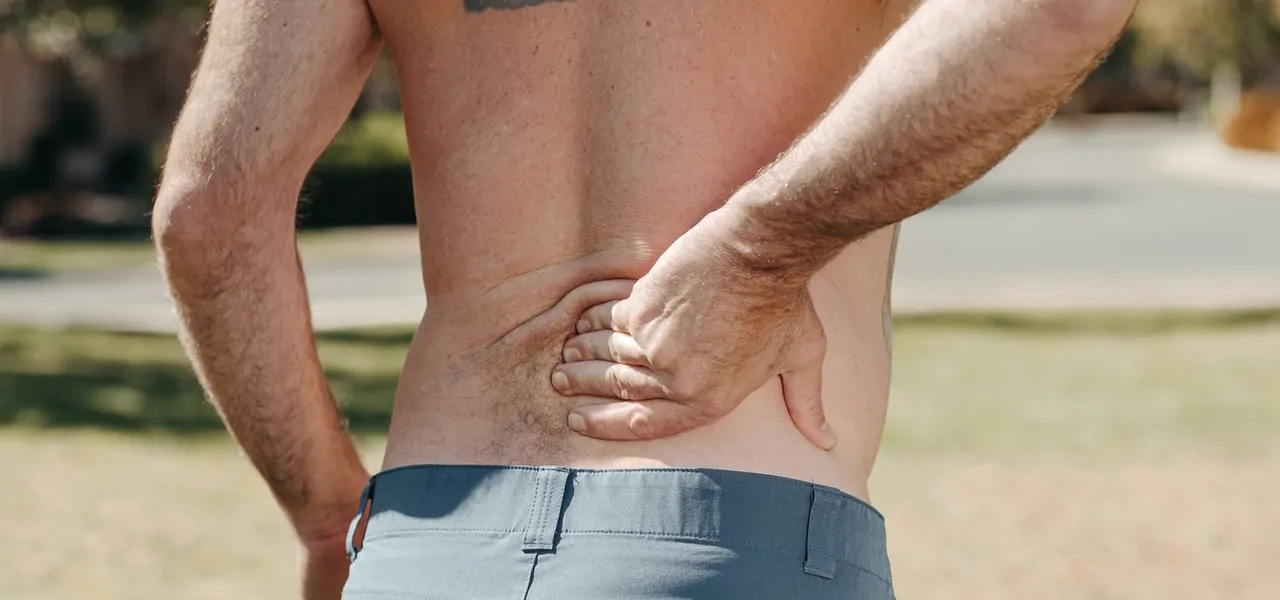
Why low back pain flares up in January
January is when a lot of people in Everett and Snohomish County hit “reset mode”: new workouts, more desk time after the holidays, more driving in winter weather, and sometimes a little less daily movement. Your low back can feel it—especially if your hips are tight, your core isn’t firing well, or you’ve been sitting more than usual.
The good news: low back pain often responds really well to simple, consistent habits—especially when you combine them with chiropractic care, physical therapy, and massage therapy.
Habit 1: Do the “2-minute morning unlock”
Before you rush out the door (or hop on a laptop), give your back a quick reset:
- 5 slow belly breaths (hands on ribs, expand 360°)
- 10 gentle pelvic tilts
- 10 hip hinges (hands on hips, keep spine long)
- 20–30 seconds per side: hip flexor stretch
This routine is short, but it tells your nervous system “we’re safe to move,” and it can reduce that stiff, stuck feeling.
Habit 2: Set a sitting strategy (not a perfect posture)
“Perfect posture” is a trap—what your back really wants is position changes. If you work in Everett, Lynnwood, or commute on I-5, your back is spending time in one shape for too long.
Try this instead:
- Change position every 30–45 minutes (stand, walk, or stretch)
- Keep feet supported (flat on floor or a small footrest)
- Bring your screen up so your eyes aren’t angled downward
- Keep your keyboard close so you’re not reaching forward
Even small changes can reduce low back strain and help your core do its job.
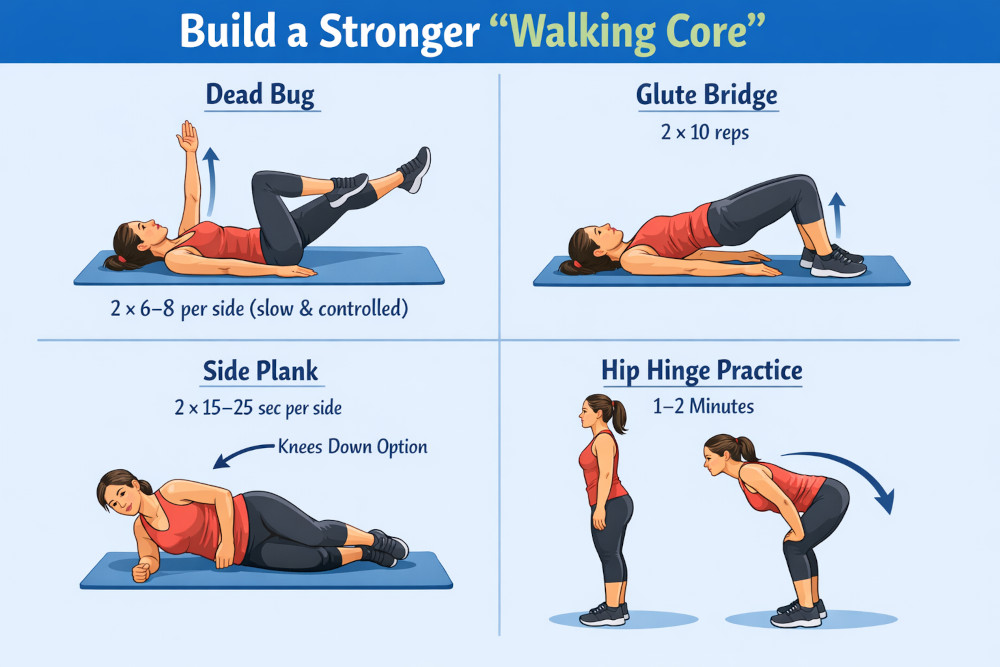
Habit 3: Build a stronger “walking core”
A lot of low back pain is tied to how your core and hips coordinate during everyday movement—walking, stairs, lifting kids, carrying groceries.
A simple core plan (3–4 days/week, 5–8 minutes):
- Dead bug (slow, controlled): 2 sets of 6–8 per side
- Glute bridge: 2 sets of 10
- Side plank (knees down is fine): 2 sets of 15–25 seconds per side
- Hip hinge practice: 1–2 minutes
If your back pain is persistent, a physical therapist can tailor these exercises to your exact movement pattern.
Habit 4: Stretch what’s actually pulling on your low back
Your back often feels tight because something else is tight. The biggest repeat offenders:
- Hip flexors (front of hips)
- Glutes and piriformis
- Hamstrings
- Thoracic spine (mid-back)
A practical nightly stretch set:
- Hip flexor stretch: 30–45 seconds per side
- Figure-4 stretch: 30–45 seconds per side
- Hamstring stretch (gentle): 30 seconds per side
- Open book (mid-back rotation): 6–8 reps per side
Massage therapy can also be a game-changer here—especially if you’ve got trigger points or that “gluey” tight fascia feeling.
Habit 5: Lift like you’re training—because you are
January often comes with new lifting demands: gym routines, reorganizing, hauling gear, or weekend projects. Your back usually gets irritated when you lift with a rounded spine + load + speed.
A safer lifting checklist:
- Get close to the object
- Hinge at hips, don’t fold at the waist
- Exhale as you lift (helps core coordination)
- Avoid twisting while holding weight—turn your feet instead
If you’ve thrown your back out before, it’s worth learning a few personalized lifting strategies in PT.
When to get help (instead of “waiting it out”)
Consider scheduling an evaluation if:
- Pain lasts longer than 10–14 days
- Pain travels into the glute/leg or includes numbness/tingling
- Your back “locks up” repeatedly
- You’re avoiding normal movement because you don’t trust your back
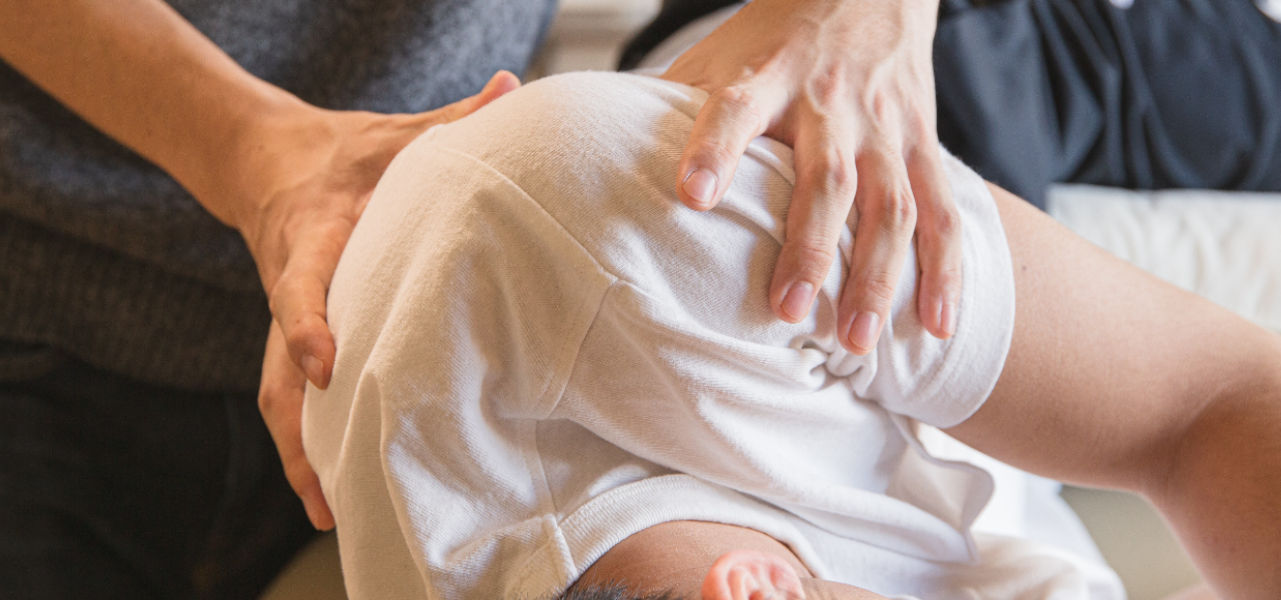
At Everett Spine and Rehab, many patients do best with a combined plan: chiropractic care to improve joint mobility, PT to rebuild movement and strength, and massage therapy to calm tight, protective muscles.
FAQ: Low back pain in January
Is walking good for low back pain?
Often yes—easy walking improves circulation and reduces stiffness. Start with 10–15 minutes.
Should I stretch or strengthen first?
Usually both, but gentle mobility first can help strengthening feel better and safer.
Can massage help low back pain?
Yes—especially when muscle guarding and trigger points are part of the problem.
Ready to start the year with a stronger back?
If you’re in Everett, Marysville, Lynnwood, Mukilteo, Mill Creek, or Snohomish, our team can help you move better, feel better, and keep your back from flaring up again.